
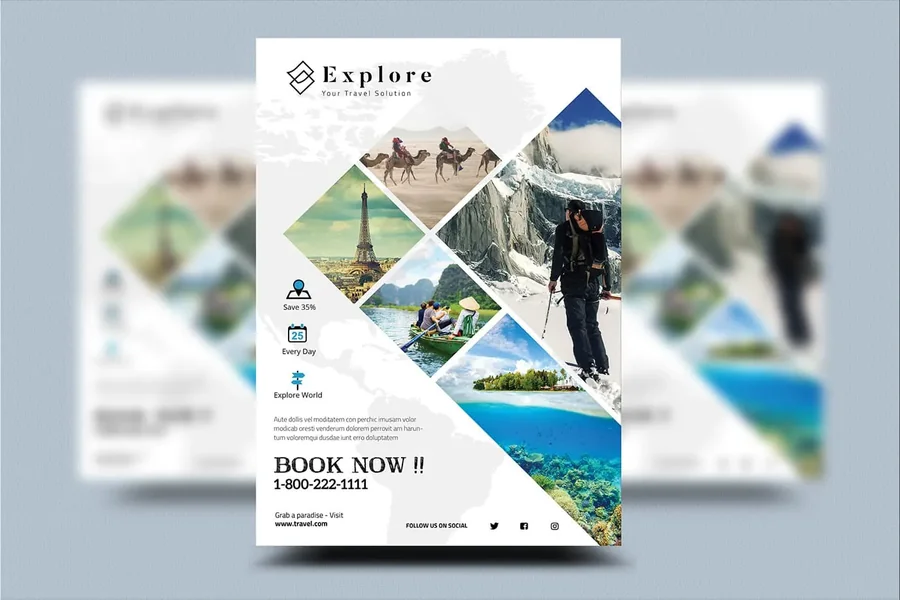
Even in a world overflowing with digital messaging, flyers continue to hold their value. They’re simple, visual, and surprisingly effective at capturing attention—whether posted on a café bulletin board, shared digitally, delivered door to door, or handed out at an event. Flyers remain one of the most versatile tools for getting information into the hands of real people in a clear and memorable way.
Because of that, individuals and organizations everywhere are turning to easy tools that streamline flyer design, letting them create beautiful visuals without needing a professional designer. With customizable templates, flexible layouts, and intuitive editing, anyone can now bring an idea to life visually in just a few minutes.
Why Flyers Still Work in a Digital-First World
Flyers have never really disappeared—they’ve just evolved. What used to be simple printed papers are now polished, eye-catching graphics used both in physical spaces and online.
They Grab Attention Quickly
A well-designed flyer doesn’t need long explanations. A bold headline, a strong visual, and a few essential details can communicate everything at a glance.
They’re Highly Shareable
Digital flyers can spread across social media, email, messaging apps, and community platforms. Printed flyers still shine in local settings like schools, community centers, small businesses, and events.
They’re Cost-Effective
Businesses, teachers, nonprofits, and event planners use flyers because they deliver a big impact without a big budget.
They Fit Any Purpose
From grand openings to yard sales, charity drives to workshops, school dances to music gigs—flyers adapt to every occasion.
Elements That Make a Flyer Truly Stand Out
Great flyers don’t happen by accident—they follow a structure that helps information come across cleanly and effectively.
1. A Strong Headline
This is the hook. Short, clear, and punchy headlines work best because they tell people instantly why the flyer matters.
2. Visual Hierarchy
Not every element should be equal. The eye should know where to look first—the headline, then an image, then the details. Size, spacing, and color help guide the flow.
3. Clear, Minimal Text
Less is more. A good flyer doesn’t overload the viewer. It highlights the essential points: what, when, where, and why.
4. Smart Use of Color
Color sets the tone. Bright palettes energize. Muted tones calm. Contrasting colors help important information stand out.
5. A Well-Chosen Image or Illustration
Flyers with relevant imagery immediately feel more polished. A single strong image is often more effective than many small ones.
6. Balanced Spacing
Crowded flyers look messy. Even simple designs can feel professional when the spacing is controlled and intentional.
Real-Life Ways Flyers Are Being Used Today
Flyers continue to shine across different industries, communities, and creative spaces.
Local Businesses
Small businesses use flyers to promote sales, introduce new products, advertise events, or announce seasonal specials. Flyers help build recognition in the neighborhood.
Teachers and Schools
Teachers create flyers for open houses, classroom events, after-school programs, book fairs, and newsletters. Students also use them for projects and club promotions.
Nonprofits and Community Groups
Fundraisers, volunteer calls, food drives, community meetings, and charity events all rely on clear communication—flyers help spread the word quickly and affordably.
Events and Entertainment
Live shows, concerts, art exhibits, sports tournaments, and festivals often use flyer marketing to build excitement and boost participation.
Service Providers
Fitness instructors, real estate agents, tutors, and freelancers use flyers to share their services with local audiences.
Personal Celebrations
Birthdays, wedding showers, graduation parties, community gatherings, and block parties feel more organized when a clear, attractive flyer explains the details.
Tips for Creating Flyers That Get Noticed
Even without a design background, anyone can level up their flyer-making process by following a few simple guidelines:
Start With a Clear Goal
Before designing, decide what action you want people to take: attend, sign up, buy, donate, or participate. This shapes the layout and structure.
Use Big, Readable Fonts
Readable text matters more than decorative fonts. Choose two or three fonts at most—one for headlines, one for subheads, and one for details.
Highlight the Essentials
People skim. Make the date, time, location, and purpose impossible to miss.
Include a Call-to-Action
What should someone do next? Visit a website? Show up at a venue? Register online? This clarifies the purpose of the flyer.
Optimize for Both Print and Digital Sharing
Check that colors look good on screens and that text remains readable if printed in black and white.
Choose Images That Support the Message
Relevant visuals increase trust and interest. Avoid random decorative images—use ones that reinforce the message.
Why Flyer Design Remains a Key Skill Today
Strong communication is one of the most valuable skills in modern life, and flyer creation is part of that. Flyers connect communities, support businesses, help students and teachers, and bring events to life. More importantly, they give everyday people the ability to share their ideas quickly and clearly.
With accessible tools and a bit of creativity, anyone can design flyers that make an impact—flyers that inform, inspire, and bring people together.