
The Psychology Of Greenery In Modern Workplaces
Work environments have a direct influence on how people feel, think, and perform throughout the day. Studies in environmental psychology suggest that even the presence of natural-looking décor can significantly reduce stress and mental fatigue. Because many offices lack abundant real greenery due to building constraints or low-light locations, the use of artificial trees has become increasingly popular. While they do not provide the air-purifying abilities of live plants, artificial trees are highly effective at replicating the visual and emotional benefits of natural spaces. This approach, associated with biophilic design, is known to improve mood and increase job satisfaction. Proper integration of greenery elements like artificial trees can turn otherwise stark and sterile environments into welcoming, calm, and supportive places for work.
How Artificial Trees Support Focus And Reduce Stress
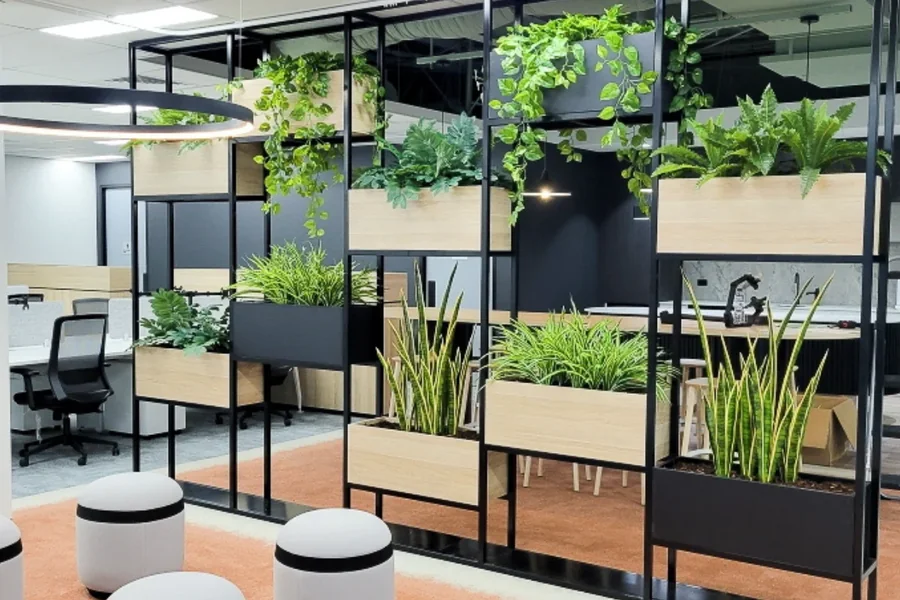
Visual exposure to greenery, even if artificial, provides subtle psychological cues that help lower stress levels. Artificial trees introduce nature-inspired forms and colors that break up the monotony of computer screens and hard surfaces. As visual anchors in the workspace, these elements give eyes an opportunity to rest and recharge between periods of concentration. Micro-breaks provided by looking at natural forms are associated with sustained attention and less perceived mental fatigue. Furthermore, research on restorative environments demonstrates that simulated nature can offer a small cognitive reset, enabling people to return to their work with improved clarity. In open-plan offices, artificial trees also aid in reducing visual distractions, as they can function as effective space dividers, helping workers feel more comfortable and less exposed.
Practical Benefits Of Artificial Trees In Workspace Design
Artificial trees bring more than just psychological benefits—they also serve a highly practical role in workspace design. Requiring no watering, sunlight, or specialized care, they offer consistent appearance throughout the year and eliminate risks such as pests or allergens. This reliability suits offices that lack natural light or where maintenance contracts for live plants are not feasible. The wide variety of sizes, densities, and shapes available allows architects and business owners to customize spaces without costly renovations. Artificial trees may even contribute to better office acoustics, softening noise levels when combined with other furnishings. A broad selection of artificial trees enables organizations to create visually cohesive interior landscapes tailored to their specific needs.
- Low maintenance and consistent appearance throughout the year
- Suitability for low-light or windowless areas
- Flexible sizing for reception areas, meeting rooms, or open-plan offices
- No need for irrigation systems or plant-care contracts
Artificial Trees As Tools For Zoning And Collaboration
Modern workspaces often blend areas for concentration with spaces designed for collaboration. Artificial trees are a valuable tool in defining these zones organically, without disrupting open layouts. Positioned thoughtfully, they can delineate quiet focus corners, informal meeting spots, or casual lounge areas, fostering a sense of comfort while keeping the atmosphere open and accessible. Incorporating trees in this way breaks away from rigid desk rows and creates inviting, people-centered layouts. With supportive seating and suitable lighting, such zones become places where colleagues naturally exchange ideas and build connections, supporting both well-being and organizational creativity.
- Defining quiet work zones without full-height partitions
- Creating informal meeting areas that feel relaxed and approachable
- Softening circulation routes and transition spaces between departments
- Enhancing brand identity through consistent visual themes
Design Considerations For Maximising Wellbeing And Productivity
Getting the most from artificial trees in a workspace requires careful planning. Scale must fit ceiling heights and space dimensions—tall trees can overwhelm small rooms, while smaller options are ideal for discrete corners. Foliage styles and colors should harmonize with existing materials and finishes to create a consistent visual flow. Thoughtful placement near pathways, lounge areas, or windows provides visual relief and opportunities for micro-breaks. In dedicated work areas, artificial trees serve best when positioned to gently soften the surroundings without impeding light or communication. Selecting modular, movable planters can give offices the flexibility to reconfigure layouts as teams grow or roles shift. When all these design elements come together, artificial trees become a lasting feature that helps promote a healthier, more productive workplace environment.