
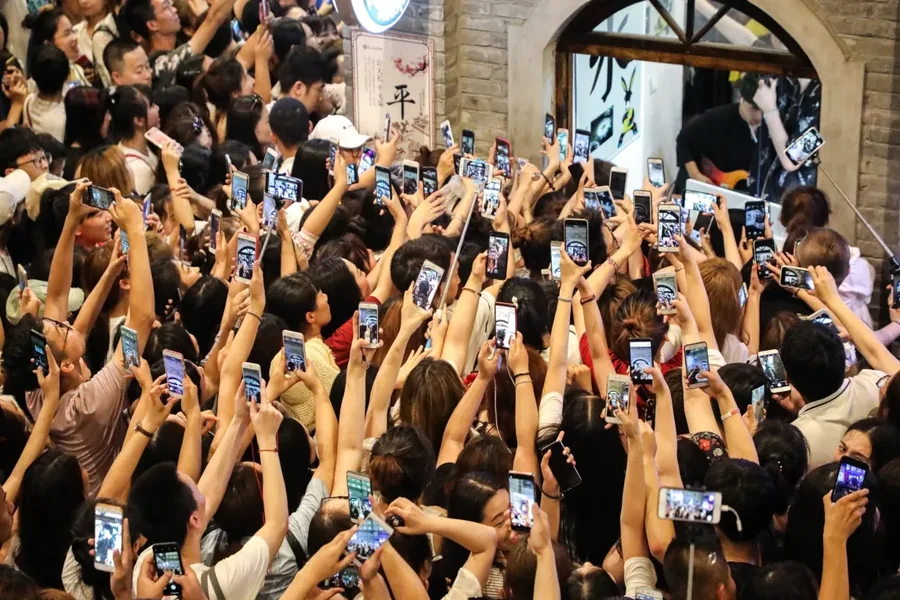
The Psychology of Fandom Culture explains why individuals can become strong emotionally attached to films, musicians, sports clubs, television shows, and fictional characters. Fandom may appear to be mere adoration. What is under the surface though, is a complicated blend of identity, belonging, passion and collective experience. The fans do not just consume content. They engage, protect, rejoice, and even create the stories that they adore.
Nowadays, fan communities are more visible and powerful than ever in the digital world. Through social media, online forums, and streaming services, people can easily connect with others who share the same interests and passions. Platforms like Bored Flix also contribute to this growing culture by bringing entertainment lovers together in one place to discover and discuss trending shows and movies. This connection strengthens emotions and creates a strong collective identity among fans. Under these conditions, it becomes clear why the culture of fandom is rapidly flourishing in both the entertainment industry and modern society.
Identification and Personal Transference.
Identity formation is one of the most powerful factors of the fandom culture. Individuals tend to identify with certain franchises, celebrities, or sports teams due to the interests being entailed in the individuals. As a fan, it is possible to feel that it is a continuation of personal values, tastes, and beliefs.
As an illustration, a person who enjoys science fiction will associate with the value of curiosity and advancement. A sports fan might feel she is part of the struggle and effort symbolized by the favorite team. These emotional associations are not limited to the superficial pleasure.
On the mental level, belonging to a fandom gives one a feeling of stability and purpose. By their outward displays of fandom, be it the donning of merchandise or online posts of said content, fans are indicating their membership in a broader community. This apparent identification reinforces individual self-confidence and interpersonal connections.
The more emotional one has invested, the more the fandom plays a central role in his or her self-identity.
Member of the Community and Society.
The Psychology of Fandom Culture is more closely associated with the human desire to belong. It is common and natural to find people in communities that they feel comfortable and accepted. The fan groups provide a social network by default constructed around common passion.
These communities have been widened all over the world via online platforms. A fan in one nation is able to interact with other fans on the other continents in real-time. The collective emotion is developed through collective excitement about a new episode, album release or a game victory.
This feeling of oneness is also enhanced through fan conventions and live events. Putting the costume together as the favorite characters, attending meet-and-greets, and discussions help to form social connections. Such meetings legitimize personal interests in a conducive manner.
Feeling isolated is lessened by belonging to a fandom. Even those who may otherwise be out of place in other aspects of life can take solace in a community that is formed when people have a common interest.
Emotional Investment and Attachment.
Fanaticism is usually accompanied by emotional attachment. Moviegoers can experience true happiness when their beloved character wins or tragedy when a plot takes a twist. This phenomenon is the case because narratives and societal personalities arouse empathy.
Psychologists call the one-sided emotional relationships with media personalities or fictional characters as parasocial relationship. Although this relationship may not be mutual, it can perceive genuine and valuable to the fan.
These affective investments form loyalty. Fans protect their favorite creators, visit premieres and promote projects financially. Passive consumption is transformed to active participation upon the basis of emotional attachment.
Nevertheless, there is conflict that can be caused by intense investment. Creative disagreements or factional fights among fan bases can become more heated. It is important to note that there is a lot of emotion involved in fandom that makes the reaction seem so strong.
Innovation and Fan Expression.
Creativity is also promoted by the fandom culture. Fans make art, write fiction, and film, and make merchandise based on their preferred media. This participatory culture makes audiences into co-creators.
An example of such fan fiction would be to enable people to rewrite plots or consider other character developments. Fan art exalts favorite scenes and brings their own meaning to them. Such artistic additions make it more emotionally engaging and widen the range of narrative.
These creations are now more than ever easy to share via digital platforms. It is a feeling of success that is boosted by recognition by other fans or even the original creators.
This production and consumption cycle contributes to the development of communities. Instead of being passive consumers, fans define the cultural discourse of what they adore.
Impact on Media and Industry.
Fan culture has turned out to be a formidable entity in the entertainment sector. Studios and producers are extremely concerned with audience response, as fan reactions can strongly influence the success of a project. Platforms such as BoredFlix also reflect how audiences actively engage with shows, discuss storylines, and share opinions online. Casting decisions, renewals, and marketing strategies can often be affected by social media campaigns driven by passionate fan communities.
Crowdfunding projects show that fans are ready to put money into the projects that they believe in. The great level of fan involvement can bring back the canceled projects or make sequels.
Simultaneously, the creators should strike a balance between fan demands and artistic imagination. Feedback can be helpful but when applied too much, it can stifle creativity. Making a way through this is a challenge that requires careful communication.
The changing nature of the relation between audiences and producers is pointed to by the increasing power of fandom. Fans are not mere spectators but active participants who shape media scenery.
Final Thought
The Psychology of Fandom Culture discloses the extensive issues of entertainment penetrating the areas of identity, emotion, and community. Being a fan does not merely mean liking something. It is all about belonging, communicating as well as creating networks with others who share same passions.
Fandom is a source of stability and meaning in a fast-evolving world of digital. It brings stories into collective experiences and social personalities into models of inspiration. As much as emotional intensity may at times be the cause of conflict, it also promotes creativity and community development.
The psychology of fandom can assist us in seeing the positive potential of the phenomenon. Fan communities based on respect and inclusivity will create a sense of connection, creativity and happiness. Fandom culture is expected to be an ongoing trend in the contemporary entertainment as the media continues to make new developments.
FAQs
What is fandom culture?
Fandom culture refers to communities of passionate fans who actively engage with and support specific media, celebrities, or sports teams.
Why do people feel emotionally attached to fictional characters?
People form parasocial relationships, creating emotional bonds with characters through empathy and repeated exposure.
How does fandom influence identity?
Fandom becomes part of personal identity by reflecting values, interests, and group belonging.
Can fandom have negative effects?
While fandom often builds community, excessive emotional investment or rivalry can sometimes lead to conflict.
How do fans impact the entertainment industry?
Fans influence trends, support projects financially, and shape marketing strategies through online engagement.
Why are online platforms important for fandom culture?
Online platforms connect fans globally, enabling discussion, creative expression, and shared experiences.