
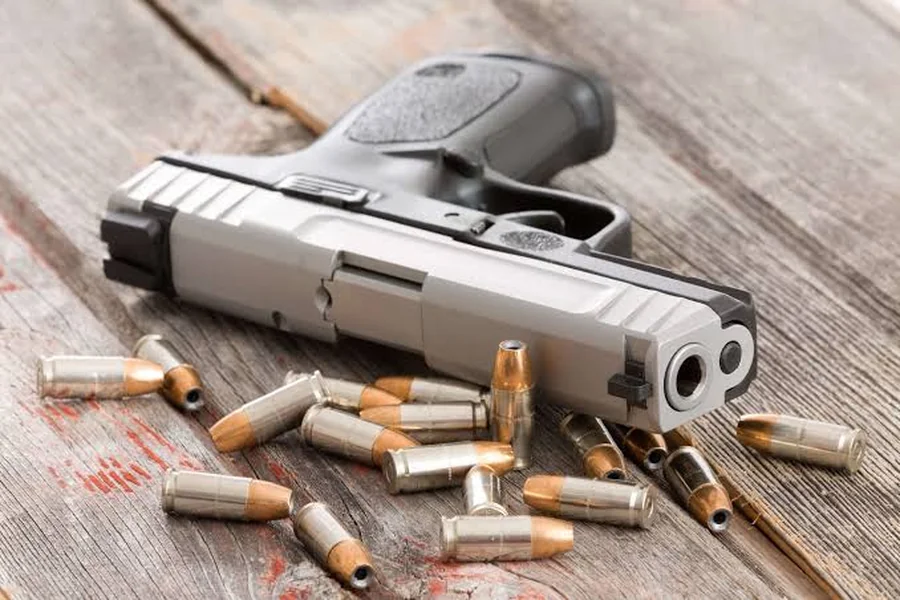
Ammunition in Washington, D.C. might land you in some serious legal trouble. The restrictions are more than a box at a weapons store. DC law also addresses possession, registration, magazines and some types of ammunition. Facts can bring charges if they don’t meet such requirements. That can happen faster than most people think. Looking at a gun or ammo case? A DC Gun Lawyer can look at the facts and let you know your rights.
Why Can Ammunition Result In Criminal Charges?
Ammunition itself is not unlawful. The problem is typically who has it, where it is, or what kind it is. And DC law often relates permissible ammo possession to registration of the handgun. Ammo may be carried within the limits of the law by a person with a valid firearm registration certificate. There are however some exceptions. The trouble can arise when investigators think someone possessed ammunition without completing those conditions. The same thing can happen when officers locate ammo in a different investigation. Details are important.
Having Ammunition Without a Properly Registered Firearm
Guns have to be registered and that’s a problem, too. DC law requires weapons to be registered in the District. There are additional laws on possessing ammunition. A person found to be in possession of ammunition without the appropriate registration may be charged with a criminal offense. This can also get difficult if you lawfully own a gun in another state. In Virginia, for example, someone might own a firearm and have ammo for that pistol. Just because you bring those products into DC does not make it legal to have them here. Washington has rules of its own. Residents and visitors should consult District legislation before transporting firearms or ammunition over the city line.
Ammunition for a Firearm You Are Not Allowed to Own
Another difficulty can occur when the ammo is tied to an illegal gun. Both the gun and the ammo may be examined by police in their inquiry. They may question who owned them , where they were found and who controlled them. A registered gun can also make a difference. If the registration does not match the firearm involved, that fact may be relevant. It sounds technical, but it can have a huge impact on the case. If authorities uncover ammunition in a home, car, bag or other place, prosecutors may look at who had access to it.
Possession of Ammunition – Restricted
Certain types of ammunition are also regulated under DC law. Certain pistol ammo has particular constraints. The law is about the nature and design of the ammunition, not just whether it fits a gun. That’s one reason ammo labels might be misleading. Two rounds may look the same but the law treats them differently. If you’re not sure if a given round is allowed, don’t take a chance. Talk to a knowledgeable D.C. attorney before taking possession.
Large Capacity Magazines Can Lead to Separate Charges
Magazines and ammunition are separate products. Still, they commonly occur jointly in firearms instances. Large capacity ammunition feeding systems are generally banned under DC law. Some of these are magazines, drums, belts and other devices. The rule generally applies to devices that can carry, or are easily modified to hold, more than 10 rounds. There are some narrow exceptions. Someone might think, “The gun is registered, so the magazine is okay. Not always. Magazine capacity can give rise to a separate legal concern. If you plan to maintain or move one around DC, it’s worth investigating first.
Purchasing Ammunition Through a Bad Sale
DC laws . Ammo sales are also . Licensee shall adhere to District requirements for sale of ammunition. In most cases the purchaser will need to show the proper registration certificate or qualifying proof. The ammunition must also be of the caliber or gauge registered to the firearm. If you buy an item which does not fit these standards it can cause complications for both you and the vendor. “Don’t assume that just because somebody is selling ammunition that it’s legal to sell. Seller’s action does not release the buyer from duties under DC law.
Moving Ammunition Across State Lines
DC is between Maryland and Virginia. People cross such borders all the time. Interstate travel is a major source of uncertainty. Then they drive it into D.C. Someone might buy ammo legally in Virginia. Even if the purchase was legal in Virginia, that doesn’t fix the DC problem. The same is true with ammunition transported from Maryland. Once in the District DC law applies. Transportation also poses specific problems regarding the way a firearm must be transported or stored. If you are traveling with a gun and ammo, verify the rules before you leave home.
Reloading Ammo For Other People
Another trouble can be home reloading. Under D.C. law, some registrants are allowed to hand load, reload, or custom load ammunition for their registered firearms. When you make ammo for other individuals the rules are different. The District makes it unlawful to do business manufacturing ammunition without a license. So loading rounds for yourself is different than selling or producing them for consumers. Anyone reloading for others should know the law before receiving money or giving ammunition.
Police Search Turns Up Ammo
Police may locate ammo while investigating another offense. A search may reveal ammunition in a car, residence, backpack or other property. The officers may next check whether the person found there was legally allowed to hold it. This is where possession really matters. The government may have to establish that the accused knew about the ammunition and was in possession of it. The facts may differ from case to instance. Finding ammo in a shared apartment, for example, doesn’t automatically indicate who possessed it. That question can be very relevant in court.
What to do after an ammunition arrest?
Don’t try to talk your way out of the matter. Please refrain from giving lengthy explanations before talking to a lawyer. What you say in a difficult confrontation can subsequently be used as part of the case. A defense lawyer can analyze the arrest and search. The lawyer can also review the ammo, gun registration, police reports, and other evidence. Getting legal guidance early lets you know what you are facing.
How Capital Criminal & DUI Defense Group Can Help You
The Capital Criminal & DUI Defense Group is a Washington, DC criminal defense law firm. David Benowitz is an experienced criminal defense lawyer who has a proven track record of fighting for his clients. He is AV-rated by Martindale-Hubbell and a member of the National College of DUI Defense. The firm specializes in solid criminal defense at reasonable rates. If you are facing charges related to ammunition or firearms, a DC Gun Lawyer can guide you through your case and alternative defenses.
Treating an Ammunition Charge Like a Minor Issue
An ammo charge is more than a box of bullets. It can depend on registration, possession, kind of ammunition, magazine capacity and transit. The facts of a police search may also be relevant. That is why one should get legal assistance early. If you are facing criminal accusations in Washington, DC, obtain help before you make actions that may damage your case.
This material is for basic legal information only and does not constitute legal advice. DC firearm and ammunition laws may change. Talk to an experienced DC attorney about the details of your case.
FAQs
- Is it illegal for me to possess ammo in DC without registering my firearm?
Sure. Under DC law, a valid firearm registration certificate is normally required for the lawful possession of ammunition (with limited exceptions). Whether a charge applies depends on your individual circumstances.
- Is it a problem that Virginia legal ammo is in DC?
Yes. DC has its own laws about guns and ammo. Ammunition you legally purchased and owned in Virginia can still be a problem once you cross into the District.
- Can limited ammunition lead to a criminal charge?
Yeah. Some types of ammo are restricted by DC law. Type and design of ammunition may impact whether possession violates District law.
- Can a high-capacity magazine be a separate charge?
Yes. In DC, big capacity ammunition feeding mechanisms that can take more than 10 rounds are generally banned. Limited exceptions may be allowed.
- What if the police arrest me for an ammunition offense?
Contact a DC criminal defense attorney before you get into the details of the case. Your lawyer can look at the search, ammo, firearm registration, police reports, and other evidence. Those facts may be used against you in your own defense .