

Moving heavy loads across your site isn’t something you can get wrong. That’s why industrial operations in Australia need conveyor systems that handle tonnes of material every hour without breaking down.
You might wonder why conveyor choice is so important for heavy loads. Well, a system rated for 500 kg performs very differently from one built to handle 2,000 kg or more. That gap often shows up in reliability, maintenance demands, and the risk of breakdowns during peak production.
This guide covers everything from roller conveyors and gravity systems to the heavy-duty components that make industrial conveyor equipment long-lasting. Plus, you’ll learn what separates basic systems from those built for the Australian mining, manufacturing, and logistics industries.
So, let’s dive in.
Heavy Duty Conveyor Systems: Built for Australian Industry
We’ve seen heavy-duty conveyor systems in Australia handle loads from 500kg to multiple tonnes across mining, manufacturing, and logistics operations.
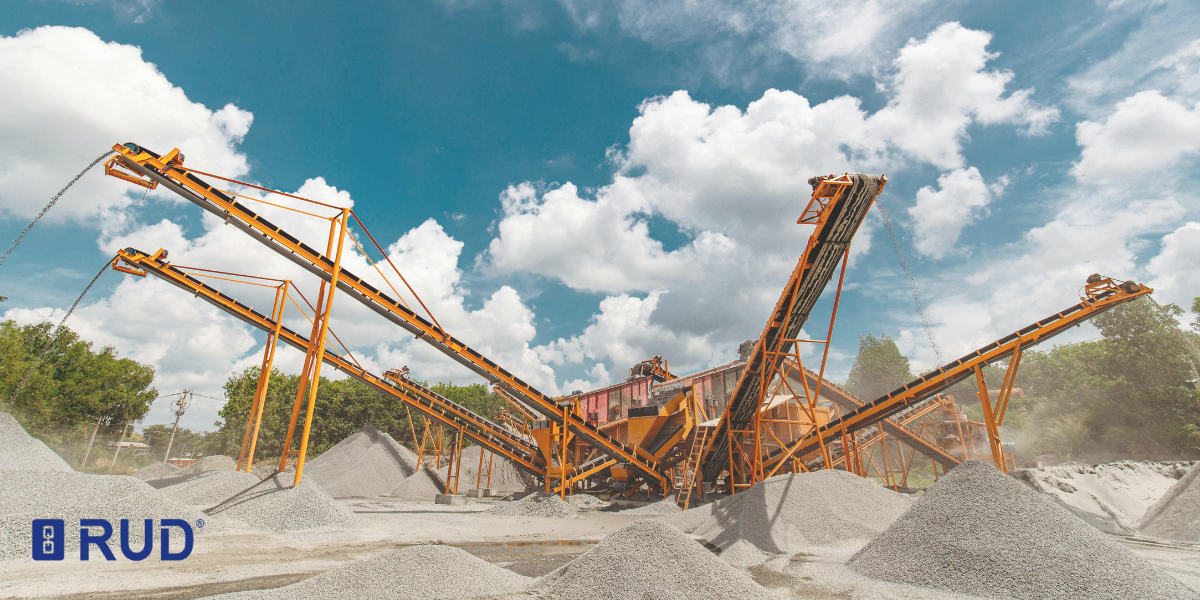
Now, let’s look at the main types you’ll usually find in industrial facilities.
Roller Conveyors for Material Transport
Roller conveyors move materials using rotating steel cylinders mounted on a frame. Each roller supports a portion of the total load when items travel across the system.
Generally, steel rollers handle weights from 50kg up to several tonnes, depending on their diameter and spacing. That capacity suits real-world tasks like moving pallets through Brisbane ports or sorting cartons at Ipswich distribution centres.
Gravity Roller Conveyors vs Powered Systems
Gravity roller conveyors use slope and momentum to move lighter loads without motors or electricity. They work well for packages under 100kg travelling short distances.
Meanwhile, powered roller systems use drive belts and motors for controlled speed and handling heavier materials up steeper inclines.
Quick tip: Which conveyor you will choose depends on your load weight, distance, and whether you’re moving equipment uphill.
Conveyor Rollers That Handle Bulk Materials
Heavy-duty rollers feature thicker steel walls (6mm+) and reinforced bearings designed for coal, ore, and aggregate transport. That’s because bulk material conveyors need wider roller spacing to prevent spillage while maintaining flow rates.
From our work with mining operations across Queensland, we’ve seen rollers with 150mm+ diameter handle continuous industrial loads better. Because of its larger size, it distributes weight evenly and extends service life in harsh manufacturing environments.
Why Materials Handling Needs the Right Conveyor Solutions
The right conveyor solutions prevent bottlenecks, reduce injury risk, and move 10x more material than manual handling. On the flip side, manual handling creates delays and raises the chance of workplace injuries.
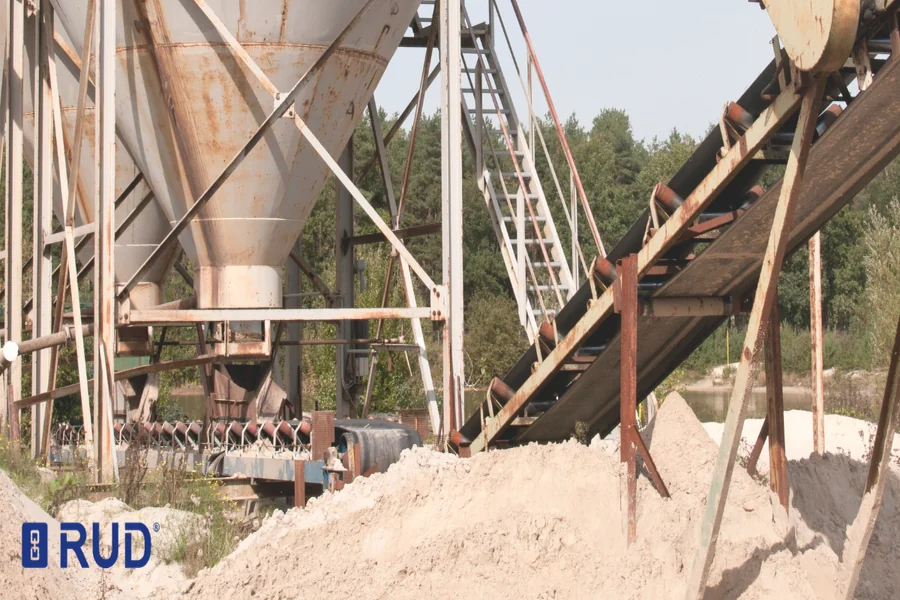
Here’s how proper conveyor systems change your materials handling operation:
| Poor Conveyor Setup | Suitable Conveyor Solutions | Why It’s Significant |
| Equipment breakdowns stop production | Continuous operation with minimal effort | Remote sites lose thousands per hour in downtime |
| Worker injuries from manual lifting | Improved safety across the facility | Keeps your team healthy and productive |
| High labour costs for moving materials | 40-60% reduction in handling labour | Increased productivity compounds over shifts |
| Bottlenecks slow the business | Smooth material flow throughout | Efficiency gains affect your entire operation |
Bottom line: With the right conveyor solution, your efficiency gains compound across full production shifts (where equipment breakdowns in remote sites cost thousands per hour in downtime). That’s why conveyor solutions must match Australian conditions, including dust, heat, and continuous demands.
This way, the right setup makes materials handling predictable and keeps your operation running without constant supervision.
Choosing From Australia’s Comprehensive Range of Systems
With dozens of conveyor types available, picking the wrong one will cost you time and money. However, this vast range of conveying system options across Australia covers everything from basic transport to complex production lines.
Here’s how the main conveying system options compare across Australian industries:
- Belt Conveyors: You can choose this conveyor if you require continuous bulk material flow in mining and aggregate They can move large volumes over long distances with minimal transfer points. That design often suits materials like fine manufacturing particles, which tend to wear down roller systems.
- Roller Conveyors: These types of conveyors are common in food, beverage, pharmaceutical, and automotive facilities for moving palletised goods and cartons. They have a modular design featuring custom layouts that expand as your business grows without replacing entire production lines.
- Spiral Conveyors: They are often used in vertical transport between floor levels in tight spaces where ramps won’t fit. And that’s where things get interesting. Packaging and logistics operations also use them to maximise space in expensive urban facilities.
Bottom Line: A comprehensive range of conveyor systems means you get the right fit for pharmaceutical cleanrooms, automotive assembly, or heavy industrial applications. It also suits Australian conditions, where equipment must handle dust, temperature swings, and continuous operation across industries.
For your information, local suppliers like RUD Australia provide faster parts delivery and on-site support compared to imported options (we’ve seen several operators stuck waiting weeks for imported parts). That kind of local support makes a real difference when downtime costs thousands per hour.
What Makes Industrial Conveyor Equipment Heavy Duty?
Generally, heavy-duty conveyor equipment uses reinforced frames, high-capacity motors, and industrial-grade components rated for continuous operation.
Most importantly, understanding these capabilities helps to pick systems that last rather than ones that fail under real working conditions.
Let’s have a look at those capabilities in detail:
Load Capacity and Durability Standards
Heavy-duty ratings start at 500kg per metre with industrial systems handling 2000kg+ for mining applications. Its frame construction uses structural steel with reinforced mounting points to prevent flexing under constant weight.
Think of them as the difference between a ute tray and a mining truck bed. Both carry loads, but the engineering behind them is worlds apart.
Through our work supplying heavy-duty chain components for conveyor systems, we design to the requirements set out in the AS/NZS 4024 conveyor safety standards.
In practice, this involves sizing components with a safety margin commonly set at 3:1 between the rated working load and failure strength. That means if a system is rated 1000 kg, it must handle 3000 kg before mechanical failure occurs.
Conveyor Components That Matter Most
In a conveyor, drive motors range from 2kW to 50kW+, depending on load weight, belt length, and incline angle.
What does it mean in particular, though? Well, sealed bearings serve beyond their nice feature. They provide strong protection against dust and contamination while retaining the lubricant inside. Plus, their low-maintenance designs with advanced safety features reduce downtime throughout the system’s service life.
Material selection for belts and rollers directly affects grip, wear resistance, and how loads move across the conveyor surface. Because of that, well-designed systems use engineered components that balance upfront cost with long-term performance.
That’s how the right combination extends equipment life and keeps operations running smoothly in industrial facilities.
Getting Your Heavy Load Conveyor System Right
Choosing conveyor systems for heavy loads often starts with matching equipment capabilities with your actual operation demands. The right solution handles your current weight requirements while leaving room for future growth.
Remember, your facility needs systems that work with Australian conditions and your specific business requirements. So, don’t settle for equipment that barely meets minimum specs when your operation depends on reliable material flow.
Need conveyor components that can handle your heaviest loads? RUD Australia supplies heavy-duty conveyor components and lifting solutions built for industrial applications across the country.
Contact us to discuss conveyor systems that fit your facility’s load requirements and operational demands.