
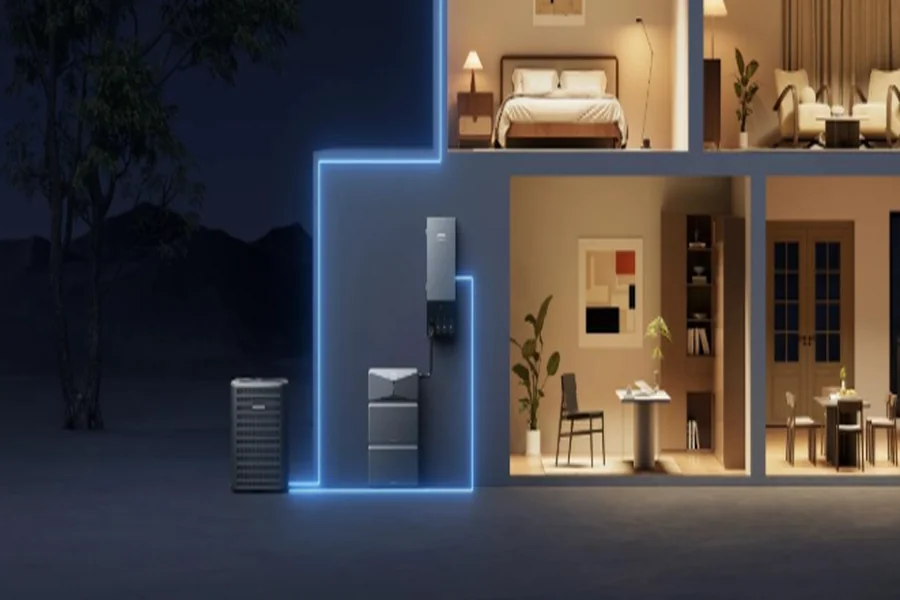
Modern home backup power systems provide much more than just emergency electricity. Today’s options include high-capacity batteries, clever inverters, and seamless connectivity with solar or the grid. They offer automated switchover during power outages, efficient energy consumption, and remote monitoring to keep homes connected and informed. With increased energy needs and weather-related disruptions, selecting the proper system provides peace of mind and long-term benefit. This article delves into the key technology and smart features that distinguish current backup systems—so you can understand what makes a system efficient, dependable, and tailored to your home’s energy requirements.
What Technologies Power Modern Backup Systems?
Battery Types and Storage Capacity
Battery technology is the cornerstone of every home backup solution. The most prevalent batteries are lithium-ion and lithium iron phosphate (LiFePO₄), which have a long lifespan, high energy density, and quick charging. LiFePO₄ has superior thermal stability, making it a safer option for residential applications. The length of time your system can power your house is determined by its storage capacity, which is measured in kilowatt-hours. A common arrangement varies from 5 to 20 kWh, depending on the load needs. The appropriate battery size depends on whether you are backing up critical loads or the entire house. Choosing the proper chemistry and capacity provides constant, efficient performance that requires no maintenance and maximizes uptime.
Inverter, Transfer Switch, and Power Delivery
The inverter turns stored DC energy into usable AC power for household appliances. A high-quality inverter allows for smooth transitions during outages and is compatible with sensitive equipment. Pure sine wave inverters, which provide clean, reliable energy, are common components of modern systems. When the electricity goes out, the transfer switch instantly switches your home’s power source from the grid to the backup system. This happens in seconds, allowing products such as refrigerators and medical equipment to continue working uninterrupted. The power supply capacity, measured in kilowatts, determines which appliances may be used concurrently. Look for systems that combine strong power with sophisticated energy management to minimize overload and maximize battery life.
Hybrid Integration with Solar or Generators
Modern backup systems frequently feature hybrid integration, allowing them to operate alongside rooftop solar panels or even fuel-powered generators. When combined with solar, the system charges the battery during the day and provides power at night or during outages. This decreases dependency on the grid while lowering long-term energy expenses. Some systems can support generator input during lengthy outages, integrating clean and conventional power sources. Smart controllers prioritize solar charging and intelligently manage power input changes. This flexibility makes hybrid systems more efficient and flexible in changing situations. Homeowners benefit from hybrid integration because it provides continuous electricity and increased energy independence all year round.
Which Smart Features Make Systems Efficient and Reliable?
Real-Time Monitoring and Mobile App Control
Today’s backup systems incorporate sophisticated interfaces and mobile applications that allow customers to monitor energy use in real time. You may use an app or a touchscreen panel to monitor battery levels, track solar input, and see how much electricity your home uses. Many systems also include remote control, allowing you to turn on or off certain circuits, schedule charging, and change output priority. Alerts and diagnostics alert you to any defects or maintenance requirements immediately. These tools make it simple to improve performance, avoid overloads, and better understand your energy patterns. Real-time visibility transforms your backup system from a passive device to an interactive energy management system.

Load Management and Runtime Optimization
Efficient systems prioritize which appliances receive power during an outage. Load management technology automatically balances power usage based on available capacity and sets priorities. Essential loads like lighting, refrigeration, and medical devices are kept running, while non-essential circuits pause to conserve energy. Some battery backup for home systems allow you to assign priorities through an app or control panel. This prevents unexpected shutdowns and increases battery life. Advanced algorithms can even learn consumption patterns over time, allowing for more accurate power demand forecasting. Load management maximizes the use of backup power by intelligently allocating energy, keeping critical systems operational for extended periods of time without the need for manual intervention.
Safety Features and Battery Management Systems
Every current home backup system has powerful Battery Management Systems (BMS) and many layers of protection to ensure safety. A good BMS monitors temperature, voltage, and charge levels in individual battery cells to balance performance and prevent failures. Short-circuit protection, overcurrent shutdown, and thermal cutoffs are among the other protections. These measures lower the chance of a fire, protect the battery, and guarantee that the system operates safely under a variety of loads. Systems also contain quality assurance certificates such as UL or CE. For families, the quiet operation and indoor-safe design provide an additional piece of mind. With these built-in safeguards, you can rely on your backup system without fear of electrical or battery damage.
Conclusion
Modern home backup power systems use smart technology, renewable energy storage, and easy operation. Lithium batteries, pure sine wave inverters, and automated transfer switches are critical components that work together to keep your house powered during outages. Hybrid integration with solar and real-time monitoring increases value and flexibility, while safety and load control provide long-term dependability. Whether you want full-home backup or critical load coverage, selecting a system with the proper characteristics assures consistent performance. With careful planning and installation, your backup system becomes more than just a safety net; it becomes an intelligent, efficient component of your energy strategy.