
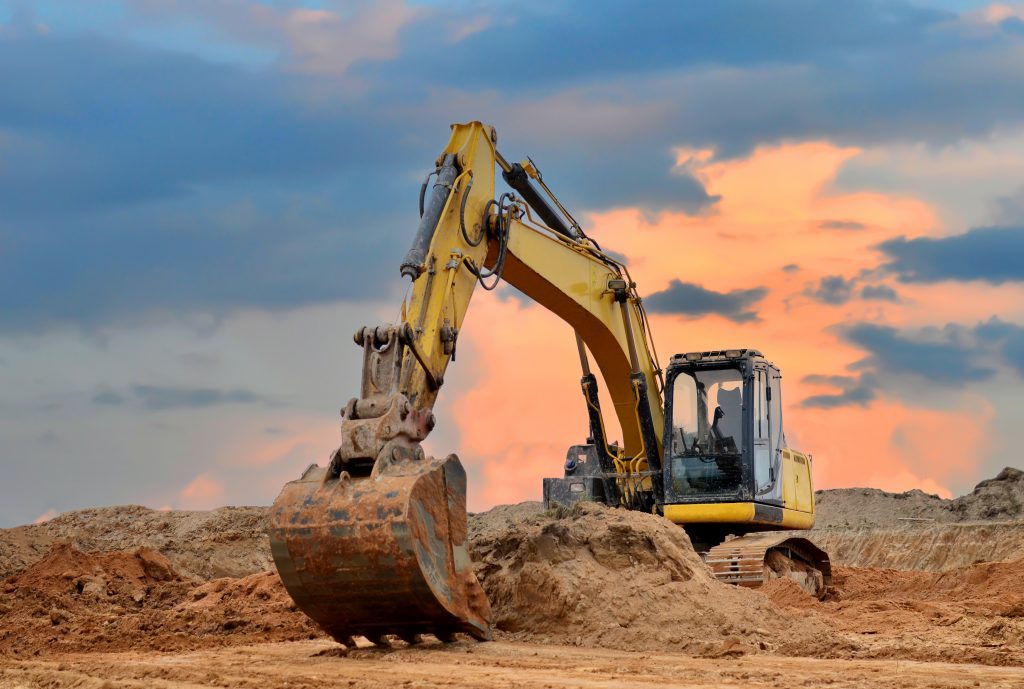
Each building project that is successful truly commences well prior to laying the first foundation or building the initial wall. Among the important stages of the project, site preparation is included. When proper site preparation is not done, it could result in delays, problems and even the project can not continue safely and timely. Overlooking the steps of land clearing in Cumming GA or rushing through the tasks and processes can cause structural issues, drainage concerns, safety issues, and additional costs later on. A basic knowledge of the elements involved in site preparation prepares the way for a successful construction project.
Do A Thorough Site Assessment:
The property should be assessed thoroughly before starting any kind of work as the detailed site assessment can help in providing important information about the land and can also aid in determining any challenges.
As part of this, individuals analyze the land, soil features, plant cover, streams, service roads, and buildings. They also evaluate environmental conditions which could impact construction process. By conducting a complete site review, project managers can design efficiently and successfully, while limiting the unpleasant surprises that come during construction.
Perform Land Surveying:
Surveying guarantees that the construction is built within the legal jurisdiction limits of the land and in accordance with the regulations of the area or locality. It also offers exact measurements that can be used to guide the grading, excavation, installation of utilities, and construction of foundations. A lack of adequate surveying can lead to project conflicts, design mistakes, or expensive corrections in time of construction.
Clear the Site:
Even with the most minimal scale construction project, some amount of land clearing is necessary prior to construction work can continue. The procedure may include the removal of trees, brush, shrubs, rocks, old structures, obstacles which hinder development etc.
The clearance scale will vary in size according to the size and type of the project. At some sites, all trees and natural features will have to be removed, whereas at some other sites, some trees or natural features will be retained. When the land is cleared efficiently, it results in a hazard-free and accessible work site for construction crews and equipment.
Eliminate Stumps And Other Root -Related Obstacles:
Once vegetation has been cleared, stumps and roots or any other buried material should also be removed. Underground conditions may create problems for excavation, grading, and foundation installation activities.
Allowing stems to remain in the ground can lead to decay, soil compaction and damage over time. A buildup of debris can cause safety issues and cause damage to equipment. These obstacles should be eliminated from the construction site allowing for a stable site and minimizing later problems.
Assess And Improve Soils:
The soil quality has a great impact on the success of any construction project. Some soils are weak or unstable and can not properly hold up structures. Soil testing is a process often performed by an engineer to assess load bearing capacity, moisture content, or soil composition. Results indicate if soil improvements are required.
Site preparation can consist of soil compaction, stabilization or replacement depending on the site. Good soil preparation provides a solid base for the building foundations and minimizes settlement problems later in construction.
Set up Temporary Access and Utilities:
Pre-construction activities cannot commence until safe access is provided for construction crews. Temporary roads, entrances, and staging areas can be set up and may be required to facilitate equipment movement and deliveries. During construction, also temporary utilities like water, electricity and sanitation facilities will need to be installed.