
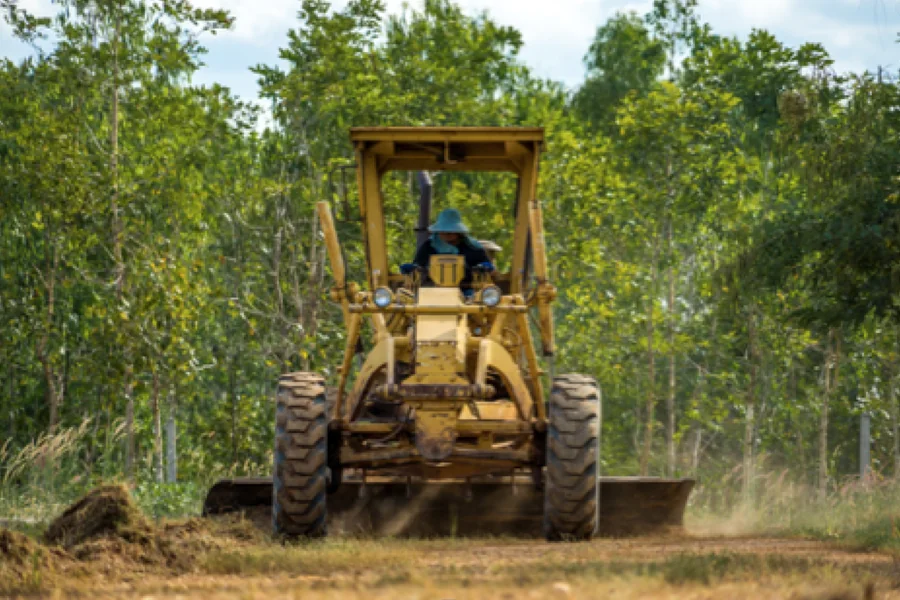
The clearing of land does not necessarily imply nature destruction. In the last years, people used the process of burning and equipment like bulldozers that could seriously harm the environment. Today, wildlife, ecosystems and soil remain safe during clearing because of safe practices. With the right approach and using the services of experts in forestry mulching around Cumming, you can turn your land into useful asset and without causing harm to the land.
Before You Clear, Plan:
Planning is the initial step towards green land clearing. The speedy process may result in needless destruction. Get to know your land before you begin. Decide what actually needs to be cleared and what may be saved. Highlight major trees, natural waterways, and wildlife conservation areas. The proper strategy will also enable you to prevent over-cleansing and maintains the natural equilibrium.
Selective Clearing Techniques:
Rather than clearing out all of it, selectively clear it out. This involves removing only un-desired plants and trees whilst preserving the healthy ones which are of good help to the land. Selective clearing helps:
- Maintain soil stability
- Offer shelter and protection against the wind.
- Support local wildlife
Go For Environmentally Friendly Methods:
Contemporary land clearing provides superior options as compared to their traditional counterparts. Methods such as forestry mulching enable you to shred vegetation into tiny fragments and lay it on the ground. This natural mulch:
- Plays a role in protecting against soil erosion
- Retains moisture
- Gives nutrients to the soil
It is important to note that you should avoid the burning process because this can produce harmful pollutants and also had the potential to destroy essential organic matter.
Ensure Soil is Moist and Keep Erosion Off:
Soil counts as the most valuable asset of the land which can be affected by poor clearing methods that can result in loss of upper layer of soil and thus causing erosion — especially during rainy seasons. To take care of your soil:
- Do not clear in rainy seasons.
- Whenever possible leave ground cover.
- Apply mulch to retain soil
Healthy soil enhances increased plant growth and extended land utilization.
Keep Water Flowing Naturally:
Water management is not taken into consideration when clearing land. Obstructing natural drainage routes may result in flooding or waterlogging. Make sure to:
- Conserve natural waterways and hillsides.
- Do not put trash in drainage systems.
- Grading should be planned to direct the flow of water.
Safeguarding the water flow assists to preserve the equilibrium of your grounds and avoid future issues.
Reduce Damage using Proper Tools:
Application of improper equipment may harm the land even more than is required. Heavy equipment may compress the soil and kill vegetation outside the intended area. Select the appropriate tools according to your project size. In sensitive areas, a lighter equipment or manual means might be more appropriate. Skilled operators can also minimize unnecessary damage as they can work with precision.
Use and Recycle Natural Materials:
Rather than disposing of all the garbage, reuse it. Wood, branches and organic material can be converted into mulch, compost and even firewood. Recycling materials save waste and value is added to your land which makes clearing process more sustainable.
Clean Responsibly to a Better Future:
Eco-friendly land clearing is all about a balance, preparing your land to be used but preserving the environment. You can achieve both purposes with right planning, choosing appropriate methods, and by responsible actions. Ultimately, proper clearing of land does not only positively impact your project but also preserves the natural beauty and health of the land for many years to come. For more useful insights and practical guidance on maintaining balance between development and the environment, you can explore resources at kierrarush.com.