
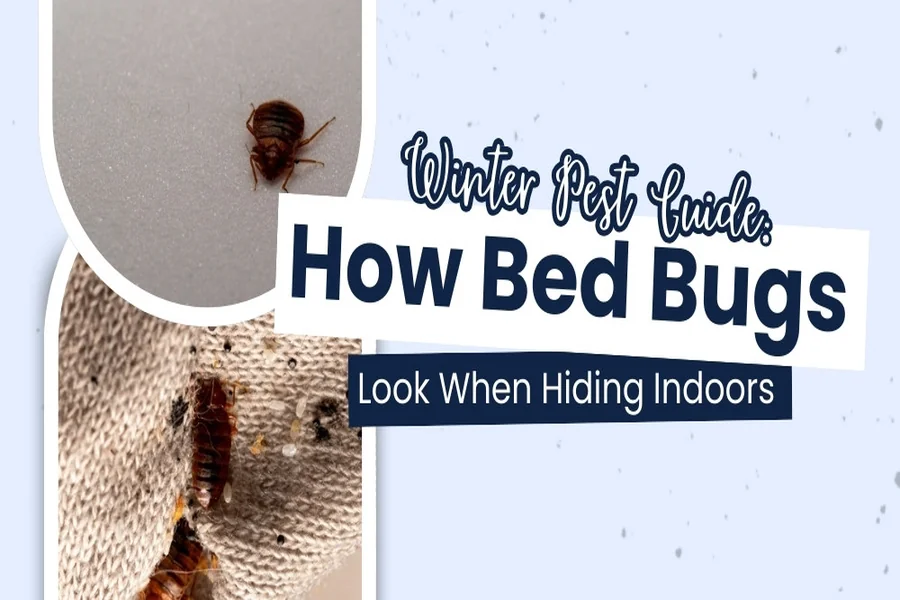
Think cold weather keeps bed bugs away? Not exactly. When temperatures drop, they head straight indoors, finding comfort in the same cozy spaces you do.
Their ability to blend in easily makes them a problem throughout the entire year. Knowing how bed bugs look when tucked away inside can be the key to stopping a full-blown infestation. Read on to discover where they hide and how to identify them.
Why Bed Bugs Hide Better in Winter
During winter, bed bugs adapt to indoor environments to survive. As a result, reduced outdoor activity and warmer indoor spaces make hiding much easier for them. The following factors explain why infestations often go unnoticed in colder months:
- Increased indoor activity: Spending more time indoors provides bed bugs with a steady supply of hosts.
- Cozy household setups: Layered bedding, upholstered furniture, and insulated areas provide more hiding spots.
- Limited air circulation: Closed windows and heating systems restrict airflow, allowing pests to remain hidden for extended periods.
Moreover, seasonal changes in temperature and humidity directly affect their movement and visibility. The following effects frequently occur:
- Reduced activity: Lower temperatures slow their movement, making them less noticeable.
- Extended hiding periods: Bed bugs remain concealed until consistent warmth returns.
- Changes in appearance: Understanding how bed bugs appear during low activity, which is when they are flatter and paler, helps identify them even in colder months.
By recognizing these patterns, homeowners can adjust inspection habits and detect infestations before they spread.
Hidden Corners: Where They Blend In Best
Bed bugs survive by hiding in small, sheltered spots that homeowners frequently miss. Consequently, locating them requires careful inspection and attention to detail. The following areas are common hiding spots:
- Furniture seams: Bed bugs often conceal themselves in the edges of mattresses, couch cushions, and chair joints.
- Headboards and bed frames: They slip behind panels, screw holes, and other narrow gaps.
- Wall crevices: Cracks near outlets, baseboards, or picture frames often provide ideal shelter for pests.
Additionally, recognizing how bed bugs look makes detection easier. Keep an eye out for these traits:
- Flattened bodies: Their thin shape allows them to fit into tight areas.
- Reddish-brown color: Their coloring blends easily with wood, fabric, and shadows.
- Small size: Most adults are about the size of an apple seed, making them easy to overlook.
By inspecting these areas regularly and knowing what to look for, homeowners can detect infestations early and prevent them from spreading.
During the winter months, these resilient hitchhikers often seek out the warmth and seclusion provided by internal structures, migrating from exposed bedding to deeper refuges. Homeowners frequently overlook the potential for dormant colonies to persist within wall voids or behind elaborate baseboards during the colder season. Relying on specialized Pest Control Trenton knowledge can help identify these discreet pathways that the insects utilize to move between rooms undetected. Understanding their biology is essential, as an ability to withstand temperature fluctuations means they remain a year-round threat. This vigilance ensures that small sightings do not escalate into widespread infestations when the heating system is running at its seasonal peak.
Subtle Signs Most People Miss
Many homeowners focus only on how bed bug looks, overlooking other signs that reveal a growing infestation. Detecting the following early signs helps prevent larger problems:
- Shed skins: Bed bugs leave behind thin, translucent shells near mattress seams, baseboards, or furniture joints.
- Eggs and eggshells: Tiny white particles, about the size of a pinhead, often cluster along fabric edges or cracks.
- Dark stains: Small black or brown spots on bedding or upholstery may indicate droppings or crushed insects.
Furthermore, certain conditions can make these signs more difficult to detect. These factors often affect visibility during inspections:
- Lighting: Poor or uneven lighting can conceal even the slightest traces of bed bug activity.
- Furniture color: Dark materials or patterns may hide stains or eggs, delaying detection.
By paying attention to these subtle signs, homeowners can spot infestations early and take action before they become severe.
How Bed Bugs Look vs. Other Winter Pests
Understanding how bed bugs look compared to other indoor pests helps prevent misidentification and ensures proper treatment. During winter, several insects move indoors, and confusion is common. The following comparisons show key differences:
- Fleas: These pests are smaller, darker, and jump quickly, while bed bugs crawl slowly and stay close to hiding areas.
- Carpet beetles: Adult beetles have round, patterned shells and wings, unlike flat, reddish-brown bed bugs.
- Cockroach nymphs: Though similar in color, nymphs have longer bodies and move faster than bed bugs.
Identifying the features of these pests provides further clarity. These are the main signs that help confirm how bed bugs look:
- Size and shape: Bed bugs are oval, flat, and about the size of an apple seed.
- Movement: They crawl steadily but cannot fly or jump.
- Bite patterns: Their bites usually appear in straight lines or small clusters on exposed skin.
By noting these characteristics, you can distinguish bed bugs from other winter pests and take prompt action to control infestations.
Protect Your Home This Winter!
Recognizing how bed bugs look indoors is not just smart but essential for a pest-free winter. Regular home checks can uncover early warning signs before infestations spread. Each inspection gives you a better chance to keep your space safe and comfortable. So do not let them hide unnoticed this season. Contact a pest expert now to confirm how bed bugs look and protect your home effectively.