
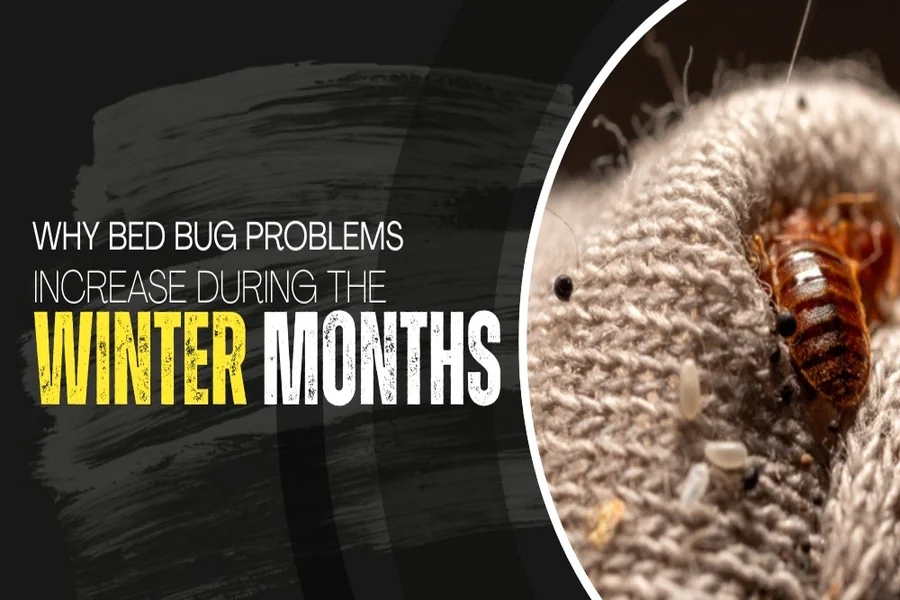
Have you noticed an increase in pests when the weather gets cold? They move inside to stay warm, and bed bugs do the same. As temperatures drop, these tiny hitchhikers settle in our bedrooms and feed when we least expect them.
Warm air, heavy blankets, and skipped cleaning make it easy for them to spread fast. A bed bug problem can grow quickly if you don’t act soon. Continue reading to discover why winter gives them the upper hand and how to counter them.
How Cold Weather Affects Bed Bugs
When temperatures drop, many believe bed bugs die off naturally. However, these pests survive by moving indoors and staying close to people, where the heat remains steady. They adjust their habits in several ways, such as:
- Move toward warmth: Bed bugs migrate to bedrooms, couches, and other areas where people rest.
- Hide in insulated spaces: They take shelter inside walls, furniture, and fabric to maintain body heat.
- Increase indoor activity: As outdoor temperatures fall, people tend to spend more time in living areas.
Moreover, as winter continues, infestations often worsen. These are the main factors behind this seasonal increase:
- Increased human presence: Spending extra time indoors provides more feeding opportunities.
- Limited airflow: Closed windows and sealed spaces create stable warmth that supports their survival.
- Delayed detection: Reduced visibility and fewer inspections allow populations to grow unnoticed.
Recognizing these cold-weather behaviors helps prevent a growing bed bug problem.
Why Homes Invite a Bed Bug Problem in Winter
During winter, indoor conditions often make homes more vulnerable to infestations. As temperatures drop, warm and enclosed environments provide ideal conditions for pests to thrive. The following factors explain why:
- Heated indoor environments: Consistent warmth from heating systems offers perfect conditions for bed bugs to thrive and multiply.
- Layered bedding: Extra blankets and thicker sheets provide more hiding spots near sleeping areas.
- Tight spaces: Closed windows and reduced airflow make it easier for bed bugs to remain undetected.
Additionally, seasonal habits also contribute to increased exposure. These situations often support the spread of infestations:
- Limited outdoor activity: Spending more time indoors allows bed bugs to move between rooms and furniture.
- Frequent visits: Family gatherings or overnight stays can unknowingly transfer pests from one home to another.
Recognizing these conditions early helps you reduce the risk of a growing bed bug problem.
Hidden Ways Bed Bugs Spread During Winter
During colder months, indoor habits often make it easier for a bed bug problem to develop unnoticed. Thus, understanding how daily activities contribute to their spread helps reduce the risk. The following situations commonly lead to infestations:
- Stored clothing: Packing away winter or summer clothes creates quiet spaces where bed bugs can hide and remain undisturbed.
- Holiday travel: Luggage, hotels, and shared vehicles can serve as carriers, allowing pests to move from one place to another.
- Buying secondhand items: Used furniture or clothing may introduce bed bugs into a home without immediate detection.
Furthermore, certain winter conditions make early detection more difficult. These factors often allow a bed bug problem to grow before homeowners realize it:
- Closed indoor spaces: Sealed windows and reduced airflow create environments that will enable bed bugs to survive longer.
- Less frequent cleaning: Limited cleaning during winter allows early signs of infestation to go unnoticed.
Knowing how these habits contribute to a bed bug issue helps you stay proactive.
How to Stop a Winter Bed Bug Problem
Bed bugs remain active during winter, especially in warm indoor spaces. Therefore, consistent prevention helps stop infestations before they spread. Take into account the following measures to effectively mitigate risk:
- Inspect regularly: Check bedding, furniture, and baseboards for early signs of activity.
- Vacuum frequently: Remove live bugs, eggs, and debris from carpets and upholstery.
- Seal cracks and crevices: Close gaps around walls and furniture to eliminate hiding spots.
If infestations persist, professional help becomes essential. These are effective options for complete elimination:
- Schedule expert treatments: Use heat or targeted applications to reach hidden areas.
- Maintain regular follow-ups: Continue inspections and monitoring to prevent re-infestation.
By combining these preventive measures with expert assistance, homeowners can effectively manage and eliminate any bed bug problem.
Keep the Chill, Not the Bugs!
Even when the temperature drops, bed bugs stay active and thrive in your warm, cozy home. That’s why regular inspection and prevention matter all winter long. Keep your home safe by staying vigilant and addressing signs of infestation promptly. For complete peace of mind, the best course of action now is to solve the bed bug problem in Oklahoma with a trusted local expert before it spreads.