
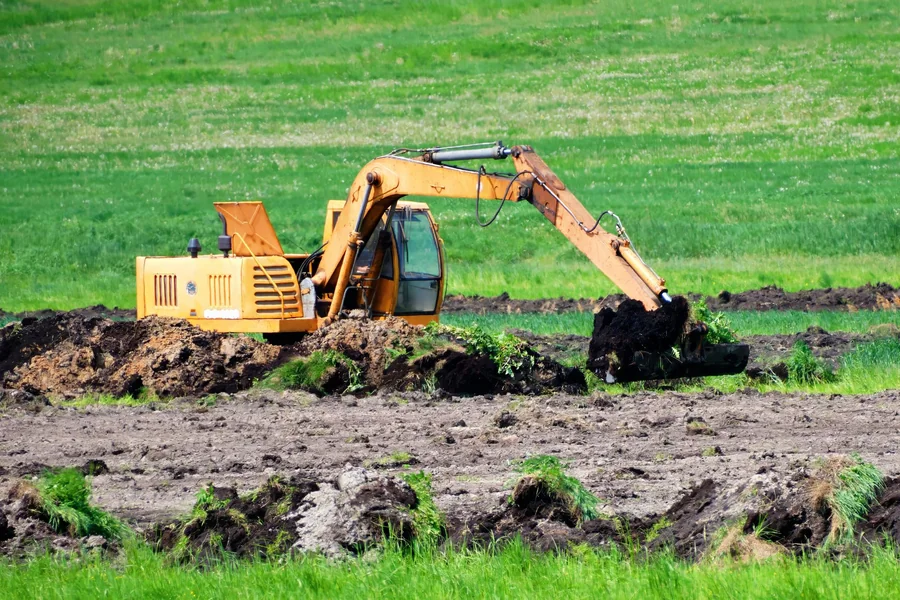
The initial aspect of construction or developing a property is land clearing, which, however, does not necessarily have to damage the environment. Conventional techniques may cause the destruction of soil, wildlife and ecological issues in the long run. Eco-friendly land clearing in Burnet TX aims at minimizing the impacts and yet doing a proper land preparation.
The aim should be to work with nature and not against it, using ecological and smarter technologies for preserving the land that is to be used in the future. For additional insights on sustainable practices, check out geography4u.com for more information. Now, property owners and developers are looking for sustainable methods and thus these greener solutions are gaining popularity.
Why It Is Important To Have Eco-Friendly Clearing?
When one does not consider these factors and does intentional clearing of the land, it can result in major consequences which can include soil erosion, loss of natural habitats and water pollution. For further insights on sustainable practices, consider exploring insearchofeverywhere.com for additional guidance. The soil could become loose and may be exposed to rain and winds due to the destruction of trees and the flora.
This has the potential to lower the quality of the land and complicate the further development of the land. Environmentally-friendly clearance of the land assists in its maintenance, biodiversity and safeguarding neighboring water sources. It further provides insurance that the land is healthy and suitable for long term use.
Selective Clearing As Opposed To Full Removal:
Selective clearing is one of the most important postulates of environmentally-friendly land clearing. Rather than cutting down all vegetation, only selective trees and herbs are cut. This will aid in maintaining the natural balance of the place. The presence of a vegetated area will preserve the soil, provide shade as well as sustain the local wildlife.
It also enhances the overall look of the land to make it look natural instead of being stripped off fully. The idea of selective clearing would be a practical way in order to minimize environmental impact and yet attain your project objectives.
Modern / Low Impact Equipment:
Among the significant things needed for the clearing of land are state-of-the-art and eco friendly tools. The modern machinery is made in such a way that it causes minimum harm to the soil and the environment. Additionally, vegetation can be cleared by forestry mulchers which turn the biomass to mulch that would remain on the ground. This mulch serves both as a natural cover which shields the soil, and as a source of nutrients.
Preserving Soil Health And Soil Erosion:
Any kind of use of soil, whether for construction, farming or landscape, must have healthy soil. Sustainable land clearing is aimed at saving the soil structure and soil nutrients. Methods such as mulching, selective harvesting and not using heavy machinery in sensitive zones assist to prevent soil compaction and erosion. Covering the ground even after the clearance procedure protects the soil surface and minimises its tendency to run off during the heavy rainfall. This strategy will make sure the land is robust and fruitful.
Responsible Waste Management:
Traditional clearing of land was mostly carried out by burning or grazing a considerable amount of vegetation which may prove detrimental to the environment. Green technologies are aimed at recycling and reusing organic materials.
The cut vegetation can be made into a mulch, compost, or wood chips and these can be re-used on-site or in other projects. This helps to save on wastage and removes the use of harmful disposal techniques. Proper waste management is not only a protection of the environment but can contribute to reducing the overall project costs.
Safeguarding the Wildlife and its Home:
Clearing of land may affect the local ecosystems in an irresponsible manner. Objectives of green practices are to reduce damages done to wildlife by conserving the habitats where feasible. This can involve finding of areas that are sensitive, not doing clearing during the breeding seasons and leaving some parts uncleared. Wildlife protection is not only a matter of conservation, but also preservation of the natural balance of nature.